A lesson plan maker for teachers needs a clear teaching record
A plan describes what the teacher intends to do; a teaching record describes what actually happened. Keeping the distinction clear is useful when a lesson takes longer than expected, an activity changes or a school event interrupts the timetable. The next lesson should start from the real position of the class, not from the original schedule alone.
In Shala Setu, ticking a taught topic and recording a completed chapter can help maintain that history. The record is particularly useful when a teacher returns after an interruption or shares responsibility for a class. However, a completion tick should be paired with classroom evidence before concluding that learners have mastered the content.
Plan a manageable lesson sequence
Choose the subject and chapter, then identify the learning goal for the period. Include a short opening that checks prerequisites, the main explanation or activity, guided practice where useful and an independent check. Allow time for transitions and discussion rather than filling every minute with content that must be delivered without interruption.
Resources should match what the school can actually use. A plan requiring a projector or specialist material may need an alternative in a classroom without those resources. Likewise, adjust reading load, explanation language and writing expectations for the class. A shareable plan becomes useful when a colleague can understand these conditions.
Record evidence alongside completion
At the end of a lesson, note a small piece of evidence: a common error, a successful explanation or a task that many learners could not finish. This does not need to become a long administrative report. One clear observation can be enough to decide whether to revise, extend or move to the next topic.
For example, students may solve a fraction comparison correctly but explain it using unequal whole shapes. That suggests the answer alone is not sufficient evidence of conceptual understanding. A brief follow-up task can address the representation before the class proceeds to a more demanding application.
Share plans with context that another teacher can use
When sharing a plan, include the class, chapter, intended learning and any adaptation that affected the lesson. A substitute teacher needs to know where the previous lesson ended; a subject colleague may need to know which activity worked and why. A chapter completion record is most useful when it supports these practical handovers.
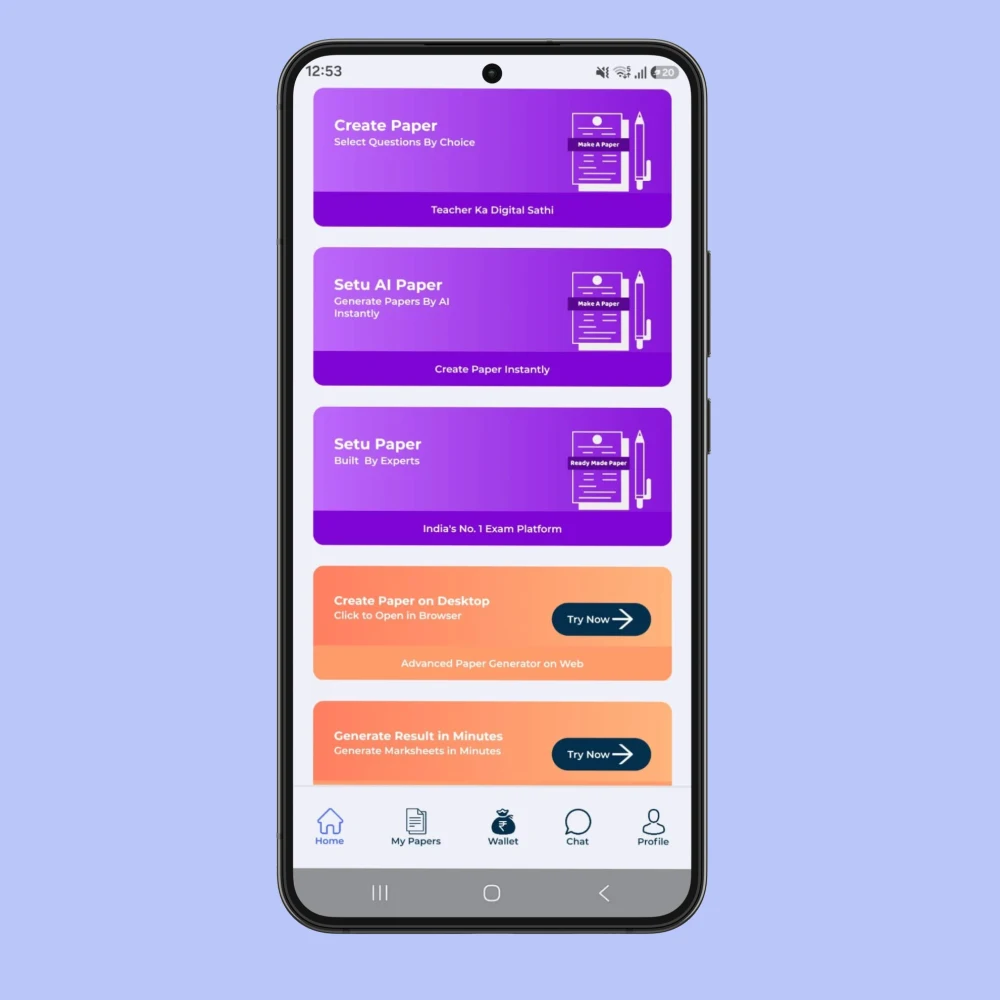
Open the Shala Setu lesson plan maker to create and track plans. For the preparation sequence, read lesson plan making. Then connect the lesson to a suitable worksheet or short chapter test so that the planning record and assessment evidence inform each other.
Frequently asked questions
Does chapter complete mean every student has mastered it?
No. It records teaching progress. Use student work, explanations and checks for understanding to judge learning and decide whether support is still needed.
What should a shared lesson plan include?
Include the class, subject, chapter, learning goal, activities, resources and the point reached. Add any context another teacher needs to use it effectively.
Can I adapt a plan after creating it?
The teaching plan should be reviewed and adapted to the class and resources. Use the available product workflow for your plan and keep the teaching record consistent with what you actually taught.
Official references for your teaching context
Use these public education sources to check the prescribed book, course and available resources. Choose the relevant class, medium and academic session before applying a document to your school.
Put the guide into practice
Start with your class and taught content, then review the result before using it with students. Question papers, worksheets, lesson plans and jobs use the shared Shala Setu login.
Open Shala Setu →